



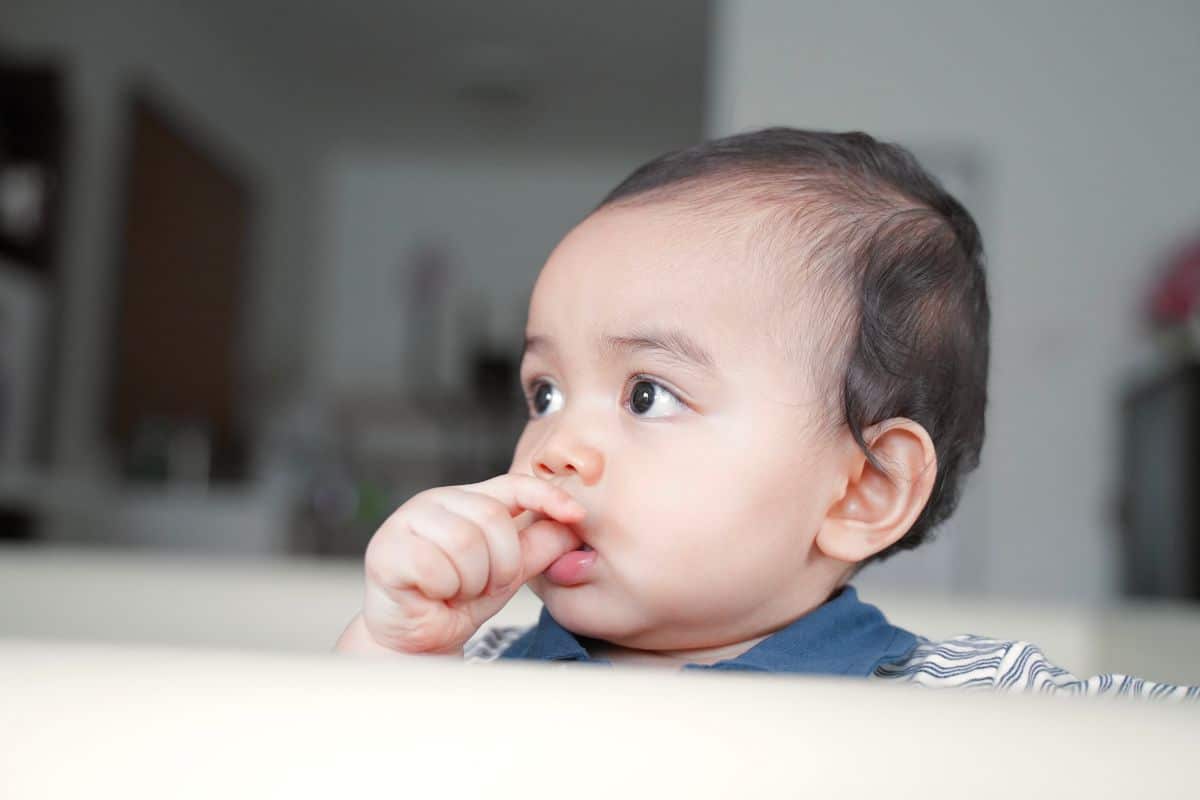
Thumb-sucking and pacifier use are incredibly common during a child’s early years. Most babies rely on sucking as a natural way to feel comforted and secure, especially when they’re tired, overwhelmed, or settling down to sleep. But as children grow, parents often wonder—when is this habit still acceptable, and when should we intervene?
This guide breaks down everything you need to know: what’s normal, when to be concerned, and how to help your child gently stop the habit without stress.
Why Babies Naturally Suck Their Thumbs or Pacifiers?
Babies are born with a strong sucking reflex. It’s how they eat, self-soothe, and connect with the world. Whether a child prefers a thumb or a pacifier, the action offers:
- Comfort during stress
- Support for better sleep
- A familiar, calming routine
At this early stage, thumb-sucking and pacifier use are completely expected and usually nothing to worry about.
When Thumb-Sucking and Pacifier Use Are Considered Normal?
Most infants and toddlers rely on these habits during the first few years of life. Pediatric dentists generally consider thumb-sucking normal until around ages 2 to 3. Many children naturally stop on their own as they become more active, independent, and able to self-soothe in other ways.
At this point, the habit is typically harmless and not strong enough to affect the teeth.
When to Be Concerned: Signs It’s Time to Stop
Things may change if the habit continues past age 4. That’s usually when dental concerns begin.
Parents should pay attention to:
- Sucking that continues into preschool or kindergarten.
- Intense sucking pressure rather than light resting.
- Teeth are starting to shift or appear misaligned.
- Changes in the way the top and bottom teeth meet.
Active sucking (steady pressure on the teeth) is more likely to cause dental problems than passive sucking (light, occasional thumb rest).
How Thumb-Sucking Can Affect a Child’s Teeth and Bite?
If the habit becomes long-term, it may affect the growth of the teeth and jaw. Some potential changes include:
- An open bite, where the front teeth don’t touch
- A deep overbite caused by forward pressure
- A narrow palate, making teeth crowding more likely
- Changes in the shape of the upper jaw
These issues are easier to prevent when the habit is addressed early, which is why monitoring and guidance make such a difference.
Gentle Ways to Help Your Child Break the Habit
Stopping thumb-sucking or pacifier use doesn’t have to be stressful. Kids respond best to patience, encouragement, and small steps.
Here are simple, child-friendly strategies:
- Praise, don’t pressure. Celebrate small wins.
- Identify triggers. Comfort your child during stressful moments.
- Offer alternatives, such as soft toys, calming routines, or bedtime stories.
- Create a reward chart. Make it fun and motivating.
- Use positive language. Avoid scolding or shaming.
Small efforts, done consistently, often make the biggest impact.
Pacifiers vs. Thumb-Sucking: Which Is Easier to Stop?
Pacifiers are generally easier to manage because parents can gradually limit availability. You can start by offering the pacifier only during naps or bedtime, then phase it out.
Thumb-sucking, however, is trickier because the thumb is always available. This makes gentle reminders and alternative soothing tools especially helpful.
When to Ask a Pediatric Dentist for Help?
If you’re not sure whether your child’s habit is affecting their teeth, a pediatric dentist can evaluate changes in the bite and jaw.
During the visit, the dentist may:
- Check how the teeth are developing
- Look for early signs of bite changes
- Offer supportive habit-breaking strategies.
- Help your child understand the importance of stopping.
No pressure, no judgment—just guidance to protect your child’s smile as it grows.
Get Support for Healthier Smiles – Visit Rowlett Dental Kids and Request an Appointment
If you’re noticing changes in your child’s bite or need help managing thumb-sucking or pacifier use, our team is here to support families throughout Rowlett, TX. At Rowlett Dental Kids, we offer gentle evaluations and simple guidance to help your child break the habit at their own pace.
Request an appointment today to give your child a confident, healthy smile as they grow.