



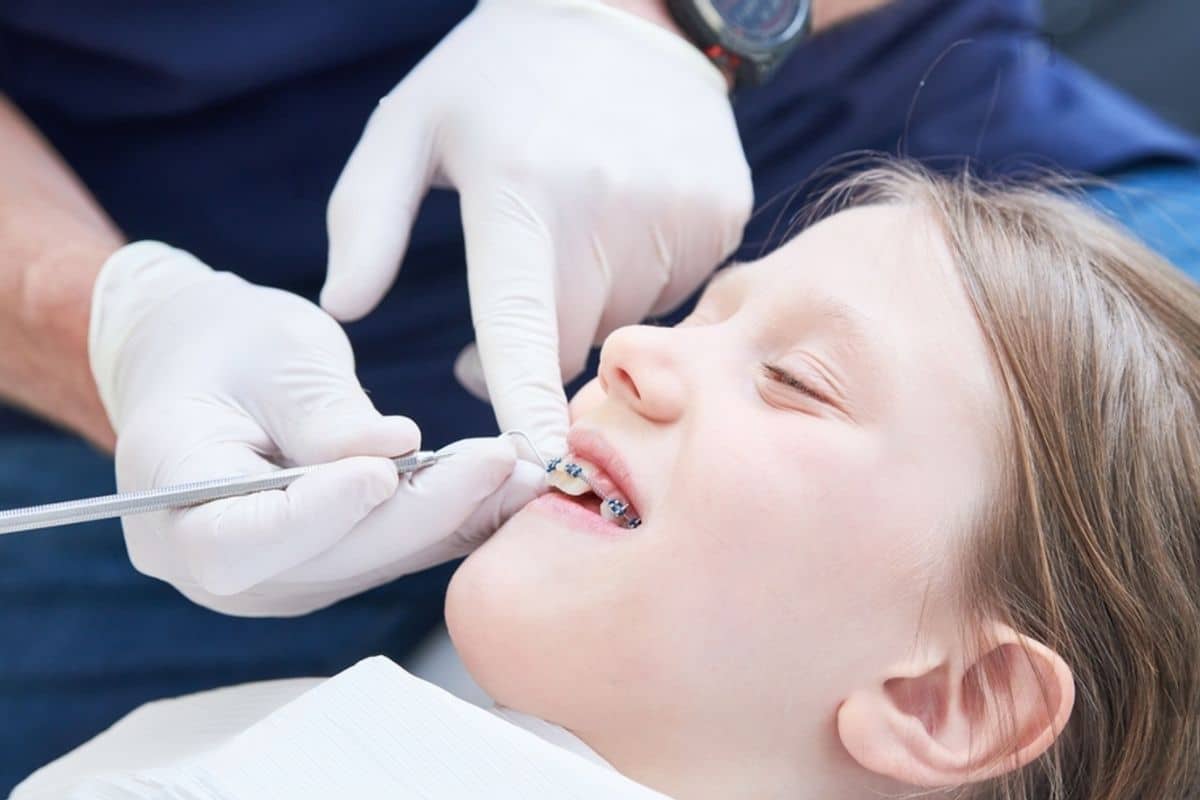
When it comes to ensuring your child’s dental health, prevention is key. Common orthodontic problems in children, such as crooked teeth or improper bites, can often be avoided or minimized with early intervention. In this Q&A, we’ll explore preventive measures for these common issues and how a Pediatric Dentist can guide you through this process.
What Are the Most Common Orthodontic Problems in Children?
Misaligned Teeth and Bite Issues
One of the most prevalent orthodontic issues among children is the presence of misaligned teeth or improper bites, including but not limited to overbites and underbites. These problems can spoil the look of their smile but can also affect the child’s overall oral health causing trouble in chewing, speaking, or even brushing teeth properly.
Crowded or Spaced Teeth
Crowded teeth occur when there isn’t enough space in the mouth for all teeth to align correctly, while spaced teeth involve gaps between teeth due to missing or undersized teeth. Both can cause complications in your child’s dental development.
Prolonged Thumb Sucking or Pacifier Use
Habits like thumb sucking or extended pacifier use can lead to orthodontic issues such as an open bite or problems with jaw alignment.
How Can Parents Prevent These Orthodontic Problems?
Regular Dental Checkups
The first line of defense against orthodontic problems is regular visits to a Pediatric Dentist. During these checkups, the dentist can monitor your child’s dental development and identify any early signs of misalignment or bite issues. Early detection is crucial for preventing more serious problems later on.
Early Orthodontic Intervention
Seeing an Orthodontist in Rowlett at an early age—typically around age 7—can help identify and address orthodontic problems before they become severe. Treatments like space maintainers to stop crowding or interceptive braces to control your child’s jaw and tooth growth may be necessary for this.
Encouraging Good Habits
Discouraging thumb-sucking and extended pacifier use early on is essential. These habits should ideally be curbed by age 3, as they can negatively affect the alignment of the teeth and jaw.
Is Early Orthodontic Treatment Really Necessary?
It Can Save Time and Money
Early orthodontic treatment can minimize or even eliminate the need for more extensive treatment later. For example, treating misalignment issues early can prevent the need for more complex braces or even surgery during adolescence.
Less Discomfort
When orthodontic problems are addressed early, it often results in less discomfort for the child. Correcting issues when the teeth and jaws are still developing is generally less invasive and painful compared to treatments performed later in life.
What Are Some Daily Practices for Preventing Orthodontic Issues?
Maintain Proper Oral Hygiene
Brushing and flossing regularly helps maintain the health of the gums and teeth, which is crucial for preventing misalignment issues caused by decay or gum disease. Make sure your child brushes twice a day and flosses daily to avoid plaque buildup that can contribute to orthodontic problems.
Balanced Diet
A well-balanced diet rich in vitamins and minerals, particularly calcium, supports strong and healthy teeth. Avoid sugary snacks and drinks that can cause tooth decay, which might lead to crowding or spacing problems.
When Should My Child Visit an Orthodontist?
Around Age 7
The American Association of Orthodontists recommends that children visit an Orthodontist by the age of 7. At this stage, the orthodontist can assess how your child’s teeth and jaw are developing and provide guidance on any necessary preventive treatments.
As Needed for Checkups
Even in cases where there isn’t an urgent concern, routine check-ups with the pediatric dentist and orthodontist ensure that any potential issues are discovered early. This proactive approach allows you to stay ahead of orthodontic problems.
Preventing common orthodontic problems in children requires a proactive approach that involves regular dental checkups, early orthodontic assessments, and promoting good habits at home. If you’re looking for guidance, a Pediatric Dentist can provide the preventive care your child needs, while an Orthodontist can offer early intervention to avoid more serious orthodontic issues in the future.
By staying vigilant and seeking early care, you can help your child maintain a healthy, beautiful smile well into adulthood.