



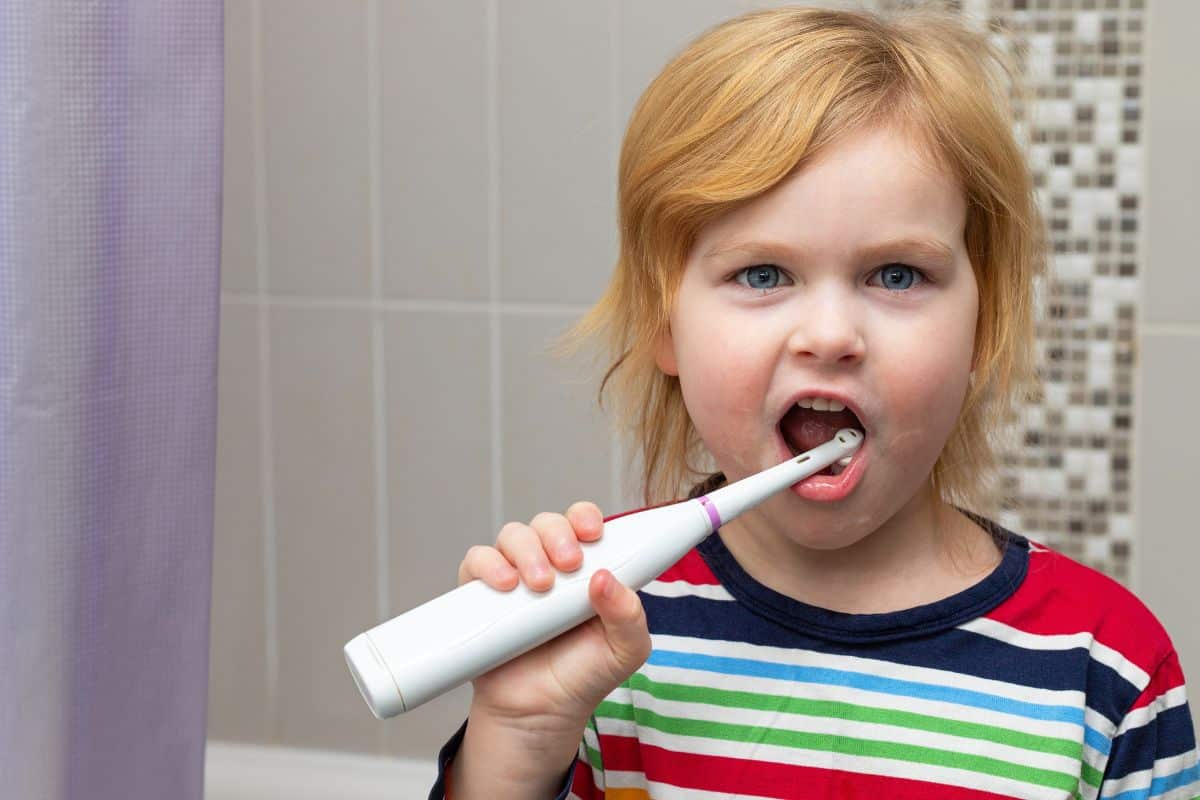
As a parent, you do everything you can to keep your child healthy and happy. From choosing nutritious meals to encouraging good habits, every small step helps support their overall well-being. One habit that deserves special attention is oral hygiene. Building healthy dental habits early can help protect your child’s smile and reduce the risk of future dental problems.
At Rowlett Dental Kids, we believe that good oral health starts at home. A consistent oral hygiene routine is one of the most important parts of pediatric dental care because it helps children develop habits that can last a lifetime. The earlier these habits begin, the easier it becomes for children to maintain healthy teeth and gums as they grow.
Why Is a Daily Oral Hygiene Routine Important for Children?
Children’s teeth play an important role in chewing, speaking, and guiding permanent teeth into their proper positions. When oral hygiene is neglected, plaque can build up on the teeth, increasing the risk of cavities, gum irritation, and other dental concerns.
A daily oral care routine helps:
- Remove plaque and food particles
- Reduce the risk of tooth decay
- Keep gums healthy
- Support fresh breath
- Build lifelong healthy habits
- Protect both baby and permanent teeth
Creating a routine early helps children understand that brushing and flossing are normal parts of their daily lives.
When Should Oral Hygiene Begin?
Many parents are surprised to learn that oral care should begin before the first tooth appears.
You can gently wipe your baby’s gums with a clean, damp cloth after feedings. Once the first tooth erupts, begin brushing with a soft-bristled toothbrush designed for infants.
Starting early helps your child become comfortable with oral care and establishes healthy habits from the beginning.
How Often Should Children Brush Their Teeth?
Children should brush their teeth twice a day:
- Once in the morning
- Once before bedtime
Brushing before bed is especially important because food particles and bacteria can remain on the teeth overnight. Regular brushing helps keep the mouth clean and lowers the chance of cavities developing.
Parents should supervise brushing until children can effectively clean all surfaces of their teeth on their own.
Choosing the Right Toothbrush
The right toothbrush can make a big difference in your child’s oral hygiene routine.
Look for:
- Soft bristles
- A small brush head
- A comfortable handle
- Age-appropriate sizing
Replace toothbrushes every three to four months or sooner if the bristles become worn.
Allowing children to choose a toothbrush featuring their favorite colors or characters can make brushing more enjoyable.
How Much Toothpaste Should Children Use?
The amount of toothpaste depends on your child’s age.
For Children Under 3
Use a smear or rice-sized amount of fluoride toothpaste.
For Children Ages 3 and Older
Use a pea-sized amount of fluoride toothpaste.
Teach children to spit out toothpaste after brushing and avoid swallowing large amounts.
Don’t Forget Flossing
Brushing alone cannot clean every surface of the teeth.
Flossing should begin when two teeth start touching each other. Daily flossing helps remove plaque and food particles from between teeth where toothbrush bristles cannot reach.
Parents may need to assist with flossing until children develop the coordination to do it independently.
Making Oral Hygiene Fun for Kids
Many children resist brushing and flossing, especially when they are young. Making oral care fun can encourage cooperation and consistency.
Try these ideas:
- Play a two-minute song during brushing
- Use reward charts
- Read books about dental health
- Brush together as a family
- Let children choose their toothbrush and toothpaste flavor
Positive experiences can help children develop a healthy attitude toward oral care.
Healthy Eating Supports Healthy Teeth
Oral hygiene is not limited to brushing and flossing. Nutrition also plays an important role in dental health.
Foods that support healthy teeth include:
- Fresh fruits
- Vegetables
- Cheese
- Yogurt
- Lean proteins
- Water
Limiting sugary snacks and beverages can help reduce the risk of cavities and support a healthier smile.
If you have questions about your child’s brushing habits, flossing routine, or overall oral health, contact us for guidance. Every child has unique dental needs, and personalized recommendations can help parents feel confident about supporting healthy smiles at home. Our team is happy to provide information and recommendations to help your child maintain healthy oral hygiene habits.
Common Signs Your Child May Need Extra Help with Oral Hygiene
While every child develops at their own pace, some signs may indicate that additional support is needed:
- Frequent cavities
- Persistent bad breath
- Bleeding gums
- Plaque buildup along the gumline
- Difficulty brushing properly
- Complaints of tooth sensitivity
Addressing these concerns early can help prevent more significant dental issues later.
Building Lifelong Healthy Habits
The goal of a good oral hygiene routine is not only to protect teeth today but also to create healthy habits that continue into adulthood. Consistency, supervision, and positive reinforcement can help children understand the importance of taking care of their smiles.
Parents who encourage daily brushing, flossing, healthy eating, and regular dental visits are giving their children valuable tools for long-term oral health success.
Keeping Your Child’s Smile Healthy and Bright With Us!
A strong oral hygiene routine is one of the best gifts you can give your child. By establishing healthy habits early, you can help protect their teeth, support their overall health, and build confidence in their smile for years to come. At our dental office, we are committed to helping families understand the importance of pediatric dental care through every stage of childhood development. If you’re looking for guidance from a pediatric dentist who can help create a personalized oral hygiene plan for your child, our team is here to help. Families throughout Rowlett, TX, trust us to support growing smiles with compassionate care and education.
Frequently Asked Questions
1. What should I do if my child refuses to brush their teeth?
Try making brushing part of a fun daily routine using music, reward charts, or brushing together as a family. Consistency and positive encouragement often help over time.
2. Is an electric toothbrush safe for children?
Yes. Many children can safely use an age-appropriate electric toothbrush. It may help improve plaque removal and make brushing more engaging.
3. How can I tell if my child is brushing effectively?
Check for clean teeth, fresh breath, and healthy-looking gums. Young children often need supervision to ensure they are reaching all tooth surfaces.
4. Can frequent snacking affect my child’s dental health?
Yes. Frequent snacking, especially on sugary or sticky foods, can increase the risk of cavities because teeth are exposed to sugars more often throughout the day.
5. Why are regular dental checkups important if my child brushes every day?
Even with good home care, professional dental visits help identify concerns early, remove plaque buildup, and monitor healthy tooth development.