



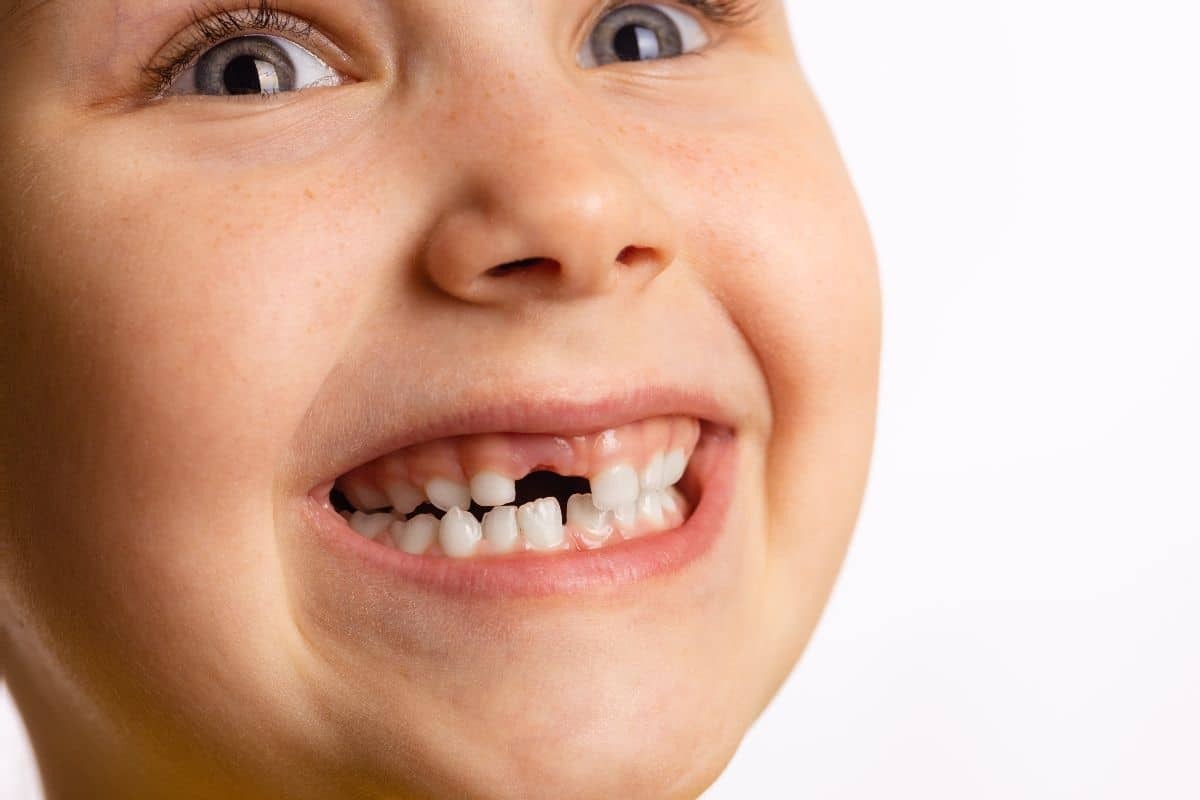
Watching your child lose their first baby tooth is often an exciting milestone. It’s one of those moments that reminds parents just how quickly children grow. But what happens when a baby tooth falls out much earlier than expected? Whether it’s due to an accident, tooth decay, or another dental issue, early tooth loss can leave many parents wondering if it’s something to worry about.
Understanding why baby teeth are important and knowing when to seek pediatric dental care can make a big difference in protecting your child’s developing smile. At Rowlett Dental Kids, Dr Tera Pollock and our team believe that helping parents understand every stage of their child’s oral development is just as important as providing quality dental care. The good news is that early tooth loss doesn’t always lead to problems, especially when it’s evaluated and managed promptly.
Why Are Baby Teeth So Important?
Even though baby teeth eventually fall out, they have an important job to do while they’re in place. They help your child:
- Chew food comfortably
- Speak and pronounce words clearly
- Develop healthy jawbones and facial muscles
- Hold the proper space for permanent teeth
Each baby tooth acts as a guide for the permanent tooth growing underneath. When a baby tooth is lost too soon, nearby teeth may begin to shift into the empty space, making it more difficult for the permanent tooth to come in correctly.
What Does “Too Early” Really Mean?
Most children begin losing baby teeth around age six, and the process continues until about age twelve. If a tooth falls out well before its natural time, it is considered early tooth loss.
Some of the most common reasons include:
- Tooth decay that cannot be repaired
- Dental injuries from falls or sports
- Gum or tooth infections
- A necessary dental extraction to protect surrounding teeth
Not every case of early tooth loss causes complications, but it should always be evaluated to determine whether your child’s smile needs additional support.
What Happens When a Baby Tooth Falls Out Too Soon?
The effects depend on your child’s age, which tooth was lost, and how much time remains before the permanent tooth is expected to appear.
Teeth May Shift Out of Position
Baby teeth naturally keep the correct amount of space available for permanent teeth. Once a tooth is gone, nearby teeth may slowly drift into the empty area. This movement can reduce the space needed for the adult tooth.
Permanent Teeth May Come In Crooked
When there isn’t enough room available, permanent teeth may erupt at an angle or become crowded. This can increase the likelihood of needing orthodontic treatment later.
Chewing Can Become More Difficult
Depending on which tooth is missing, children may avoid chewing on one side of their mouth. Over time, this can affect eating habits and make some foods uncomfortable to chew.
Speech Development Can Be Affected
Certain baby teeth help children pronounce sounds correctly. Losing these teeth too early may temporarily affect speech, particularly in younger children who are still developing language skills.
There May Be Underlying Dental Problems
Sometimes, early tooth loss is a sign of advanced decay, infection, or trauma that may have affected nearby teeth as well. A dental examination helps ensure no additional treatment is needed.
Should You Be Concerned?
While it’s natural to feel worried, not every early tooth loss becomes a serious problem. However, it is always a good idea to schedule a dental evaluation after a baby tooth falls out unexpectedly.
You should especially contact your dentist if:
- The tooth was knocked out because of an injury.
- Your child complains of ongoing pain.
- There is swelling or bleeding that doesn’t stop.
- The surrounding gums look infected.
- The tooth was lost several years before it normally would have fallen out.
A dental visit allows your child’s dentist to determine whether everything is developing normally or if intervention is needed.
How Can a Dentist Help?
After examining your child’s mouth, the dentist may recommend different approaches depending on the situation.
Monitoring Tooth Development
Sometimes, no treatment is necessary. Your dentist may simply monitor the area during regular checkups to ensure the permanent tooth develops on schedule.
Space Maintainers
If the permanent tooth won’t erupt for quite some time, a space maintainer may be recommended. This small dental appliance helps keep neighbouring teeth from shifting until the adult tooth is ready to come in.
Treating Any Underlying Problems
If infection or tooth decay caused the early tooth loss, treating the remaining teeth can help prevent similar problems from affecting other areas of the mouth.
Can Early Baby Tooth Loss Be Prevented?
While accidents can’t always be avoided, many causes of premature tooth loss are preventable with good daily habits.
Parents can help by:
- Encouraging twice-daily brushing with fluoride toothpaste
- Helping children floss every day
- Limiting sugary snacks and drinks
- Scheduling regular dental checkups
- Having children wear a mouthguard during sports and recreational activities
These simple habits go a long way toward protecting baby teeth until they’re naturally ready to fall out.
Help Your Child’s Smile Stay Healthy With Us
Losing a baby tooth is a normal part of growing up, but losing one too early deserves careful attention. Knowing what caused the tooth to fall out and understanding how it may affect future dental development can help prevent complications later. With timely care and regular monitoring, most children continue to develop healthy, confident smiles.
At our dental practice, our team is committed to helping children enjoy healthy smiles through every stage of growth. Whether your child has experienced an unexpected tooth loss or simply needs ongoing pediatric dentistry focused on protecting healthy development from baby teeth through permanent teeth, we’re proud to provide compassionate care for families throughout Rowlett, TX. Contact us to schedule your child’s visit.