



Orthodontic treatment is a significant milestone in many teenagers’ lives. It’s a journey toward a confident, healthy smile, but with advancements in orthodontic technology, the decision between traditional braces and clear aligners can be daunting. In this guide, we’ll explore the pros and cons of each option to help teenagers and their parents make informed decisions about the best orthodontic treatment for their needs.
Understanding Braces

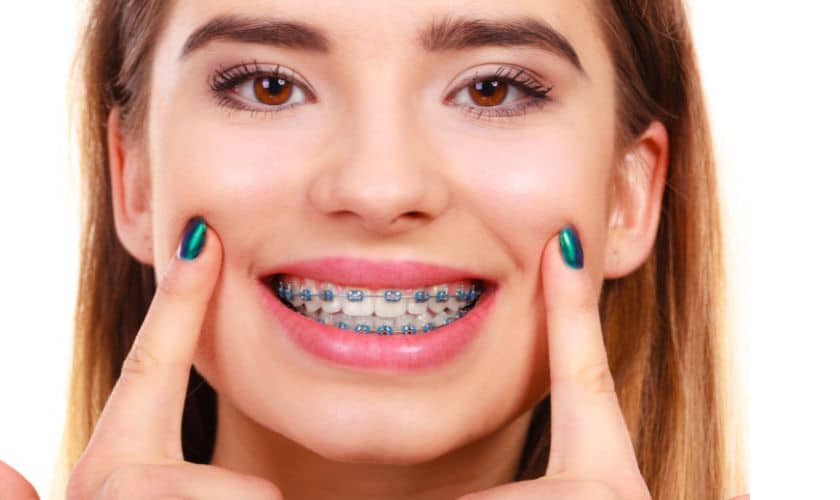
Braces have long been the go-to option for orthodontic treatment. They consist of metal or ceramic brackets bonded to the teeth, connected by wires and elastic bands. Braces work by applying gentle pressure to gradually shift teeth into proper alignment.
Pros of Braces
- Effective for Complex Cases: Braces are highly effective for correcting severe misalignments, overcrowding, and complex bite issues.
- Predictable Results: Orthodontists have extensive experience with braces, allowing for precise control over tooth movement and predictable treatment outcomes.
- No Compliance Required: Unlike clear aligners, braces are fixed appliances, so there’s no risk of forgetting to wear them or losing them.
- Lower Cost: In many cases, traditional braces are more cost-effective than clear aligner treatments.
Cons of Braces
- Visibility: Metal braces are noticeable, which can affect some teenagers’ self-confidence, especially during social activities and photographs.
- Dietary Restrictions: Certain foods such as sticky candies, hard snacks, and crunchy fruits need to be avoided to prevent damage to braces.
- Oral Hygiene Challenges: Proper oral hygiene becomes more challenging with braces, as food particles can get trapped around brackets and wires, increasing the risk of cavities and gum disease.
Understanding Clear Aligners
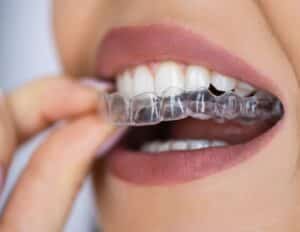
Clear aligners, such as Invisalign, have gained popularity in recent years as a discreet alternative to traditional braces. They consist of custom-made, removable trays made of clear plastic that gradually shift teeth into alignment.
Pros of Clear Aligners
- Aesthetics: Clear aligners are virtually invisible, making them a preferred choice for teenagers who are concerned about the appearance of traditional braces.
- Removable: Aligners can be removed for eating, brushing, and special occasions, offering greater flexibility and convenience.
- Comfort: Aligners are smooth and generally more comfortable than metal braces, with no risk of irritation from wires or brackets.
- Easier Oral Hygiene: With aligners, teenagers can maintain their regular oral hygiene routine, as there are no obstacles to brushing and flossing.
Cons of Clear Aligners
- Compliance: Success with clear aligners depends on wearing them for at least 20-22 hours per day. For some teenagers, this level of compliance may be challenging.
- Limited for Complex Cases: Clear aligners may not be suitable for correcting severe misalignments or complex bite issues, as they have limitations in the type and extent of tooth movement they can achieve.
- Higher Cost: Clear aligner treatments typically come with a higher price tag compared to traditional braces, although costs can vary depending on the individual case and provider.
Choosing the Best Option: When deciding between braces and aligners, several factors should be considered
- Severity of Orthodontic Issues: The complexity of the orthodontic issues plays a significant role in determining the most suitable treatment option. Braces are often recommended for more severe cases, while clear aligners may be sufficient for mild to moderate misalignments.
- Lifestyle and Compliance: Teenagers’ lifestyle and level of compliance are crucial considerations. If a teenager is responsible and committed to wearing aligners as instructed, they may be a suitable option. However, for those who may struggle with compliance, braces could be a better choice.
- Aesthetic Concerns: Some teenagers prioritize aesthetics and prefer the discreet appearance of clear aligners, while others may not mind the visibility of braces.
- Budget: Cost is another important factor to consider. While braces are generally more affordable, clear aligners offer advantages such as aesthetics and convenience but come with a higher price tag.
Consultation with an Orthodontist
Ultimately, the best way to determine the most suitable orthodontic treatment for a teenager is to consult with an experienced orthodontist. During the initial consultation, the orthodontist will assess the teenager’s oral health, discuss treatment options, and address any concerns or questions.
Choosing between braces and aligners is a significant decision that can impact a teenager’s oral health, confidence, and overall well-being. By weighing the pros and cons of each option and consulting with an orthodontist, teenagers and their parents can make informed choices that align with their needs, preferences, and lifestyle. Whether opting for the tried-and-true method of braces or embracing the discreet technology of clear aligners, the goal remains the same: achieving a healthy, beautiful smile that lasts a lifetime.