



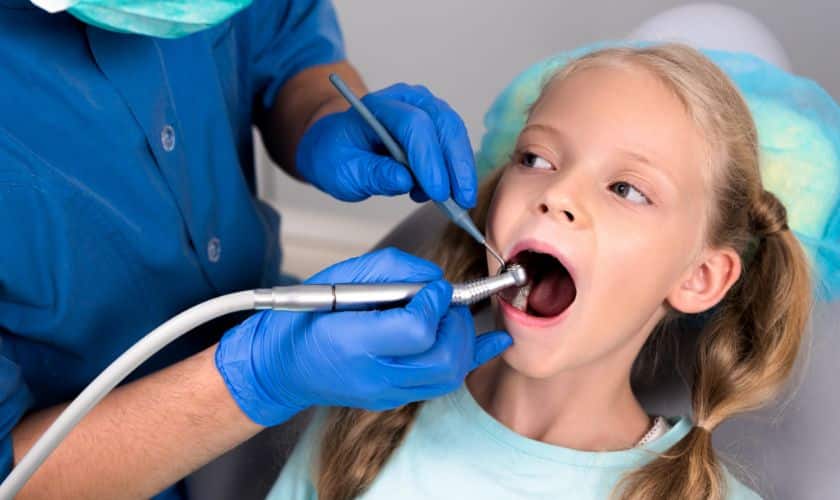
Restorative dentistry is a vital branch of dentistry that focuses on repairing and restoring damaged or decayed teeth. While restorative dentistry is commonly associated with adults, it also plays a crucial role in kids dentistry. Children may experience dental issues such as cavities, tooth fractures, or developmental abnormalities that require restorative treatments. In this blog, we will explore the secrets of restorative dentistry in kids dentistry, the importance of early intervention, and the various treatments available to ensure optimal oral health and well-being for children.
The Importance Of Restorative Dentistry In Kids Dentistry:
Early Intervention: Restorative dentistry in kids dentistry emphasizes the significance of early intervention. Addressing dental issues promptly can prevent further damage, preserve tooth structure, and minimize the need for more extensive treatments in the future.
Maintaining Oral Function: Restorative treatments ensure that children can maintain proper oral function, including biting, chewing, and speaking. Restoring damaged or decayed teeth allows children to enjoy a healthy and pain-free smile, promoting their overall well-being.
Common Restorative Dental Treatments For Kids:
- Dental Fillings: Dental fillings are a commonly used restorative treatment for children with cavities. The decayed portion of the tooth is removed, and a filling material, such as tooth-colored composite resin, is used to restore the tooth’s structure and protect it from further decay.
- Pediatric Crowns: Pediatric crowns are used when a child’s tooth has extensive decay or damage that cannot be repaired with a filling. These crowns are specifically designed for children and help restore the tooth’s strength, function, and aesthetics.
- Pulp Therapy: Pulp therapy, also known as a pulpotomy or pulpectomy, is performed when the dental pulp inside a child’s tooth becomes infected or damaged. It involves removing the infected pulp and filling the space with a dental material to preserve the tooth’s structure and prevent further infection.
- Space Maintainers: Space maintainers are used when a child loses a primary (baby) tooth prematurely. These devices help preserve the space and guide the eruption of the permanent tooth, preventing alignment issues and the need for orthodontic treatment in the future.
- Dental Sealants: Dental sealants are a preventive restorative treatment that involves applying a thin, protective coating to the chewing surfaces of the back teeth. This coating acts as a barrier, preventing bacteria and food particles from getting trapped in the grooves of the teeth and causing decay.
Child-Friendly Approach To Restorative Dentistry:
Behavior Management: Pediatric dentists employ various behavior management techniques to help children feel comfortable and cooperative during restorative treatments. These techniques may include positive reinforcement, distraction techniques, and communication strategies tailored to the child’s age and temperament.
Sedation Dentistry: In cases where a child may have dental anxiety or difficulty cooperating, sedation dentistry can be used. This involves administering safe and controlled sedatives to help the child relax and remain calm during the restorative procedure.
Emphasis on Prevention: Restorative dentistry in kids dentistry also focuses on preventive measures, including educating children and their parents about proper oral hygiene practices, healthy dietary habits, and regular dental check-ups. These preventive measures can minimize the need for extensive restorative treatments in the future.
The Bottom Line:
Restorative dentistry plays a crucial role in kids dentistry, helping children maintain optimal oral health and function. Early intervention and appropriate restorative treatments are key to preserving tooth structure, preventing further damage, and promoting a lifetime of healthy smiles. By partnering with a skilled pediatric dentist and following a child-friendly approach to restorative dentistry, parents can ensure that their children receive the necessary treatments with comfort and care.