



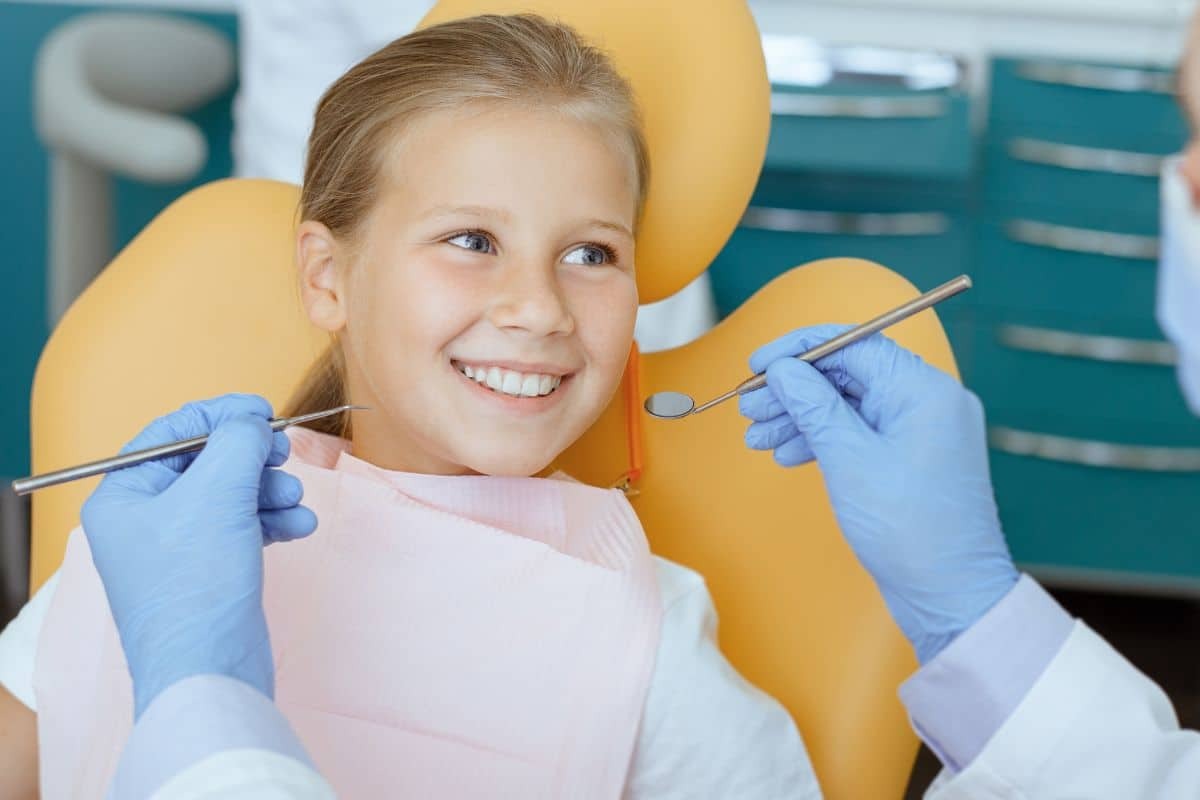
Every parent wants to see their child smile with confidence. From the excitement of the first baby tooth to the arrival of permanent teeth, every stage of dental development plays an important role in your child’s overall health. While children are naturally curious and energetic, they are also more likely to experience dental issues that can affect their comfort, eating habits, speech, and self-esteem if left untreated.
At Rowlett Dental Kids, we believe that healthy smiles begin with education, prevention, and compassionate care. As a trusted pediatric dentist in Rowlett, we encourage parents to understand the most common dental problems children face and the everyday habits that can help prevent them. Routine dental visits, good oral hygiene, and healthy choices all work together to keep little smiles strong as they grow.
Let’s take a closer look at some of the most common dental problems in children and the simple steps you can take to help protect your child’s smile for years to come.
Why Are Children More Likely to Experience Dental Problems?
Children’s mouths are constantly changing. Baby teeth eventually make room for permanent teeth, and during this time, their teeth and gums need extra care. Young children are still learning proper brushing and flossing techniques, making it easier for plaque and bacteria to build up.
Diet also plays a major role. Frequent snacking, sugary treats, juice, and sticky foods can increase the risk of tooth decay. Add active play, sports, and common childhood habits like thumb sucking, and it’s easy to see why dental problems can develop.
The good news is that many childhood dental issues are preventable with consistent oral hygiene, healthy eating habits, and regular dental visits.
Tooth Cavities
Tooth decay is the most common dental problem among children. Cavities develop when bacteria feed on sugars left behind after eating and produce acids that gradually wear away tooth enamel.
Baby teeth may eventually fall out, but they are still essential. They help children chew comfortably, speak clearly, and guide permanent teeth into their proper positions. Untreated cavities in baby teeth can lead to pain, infection, and even problems with adult teeth later on.
Signs of Cavities
Parents may notice:
- White or brown spots on teeth
- Sensitivity to hot, cold, or sweet foods
- Tooth pain
- Visible holes in teeth
- Difficulty chewing
Sometimes cavities develop without obvious symptoms, making routine dental checkups especially important.
How to Help Prevent Cavities?
You can reduce your child’s risk by:
- Brushing twice a day with fluoride toothpaste.
- Helping younger children brush until they develop good technique.
- Flossing once teeth begin touching each other.
- Offering water instead of sugary drinks.
- Limiting sticky candies and frequent snacking.
- Scheduling regular dental checkups.
These simple habits greatly reduce the chances of tooth decay.
Gum Disease
Many people associate gum disease with adults, but children can experience early gum problems too. Poor brushing allows plaque to build up along the gumline, causing irritation and inflammation.
In its earliest stage, gum disease is called gingivitis. Fortunately, it can often be reversed with improved oral hygiene and professional cleanings.
Symptoms Parents Should Watch For
Common signs include:
- Red gums
- Swollen gums
- Bleeding while brushing or flossing
- Bad breath
- Tender gums
Ignoring these symptoms may allow gum problems to worsen over time.
Preventing Gum Disease
Healthy gums start with consistent daily care.
Encourage your child to:
- Brush gently along the gumline.
- Floss every day.
- Drink plenty of water.
- Eat fresh fruits and vegetables.
- Visit the dentist regularly for professional cleanings.
Strong oral hygiene habits benefit both teeth and gums throughout childhood.
Tooth Sensitivity
If your child complains that cold ice cream or hot soup hurts their teeth, tooth sensitivity could be the cause.
Sensitive teeth may develop because of:
- Worn enamel
- Small cavities
- Newly erupting permanent teeth
- Minor chips or cracks
- Aggressive brushing
Occasional sensitivity isn’t always serious, but ongoing discomfort should never be ignored.
Parents should avoid guessing the cause and instead schedule an evaluation to determine whether treatment is needed.
Dental Injuries
Children love to run, jump, climb, ride bikes, and participate in sports. While these activities are healthy and fun, they also increase the chance of dental injuries.
Common injuries include:
- Chipped teeth
- Cracked teeth
- Loose teeth
- Knocked-out teeth
- Lip or mouth injuries
Knowing how to respond quickly can improve the chances of saving an injured tooth.
If a permanent tooth is knocked out, carefully hold it by the crown—not the root—and seek dental care immediately. Acting quickly often improves the outcome.
Children who participate in contact sports should wear a properly fitted mouthguard to protect their smiles.
Teeth Grinding (Bruxism)
Some children grind or clench their teeth while sleeping without realizing it. This habit, known as bruxism, is fairly common during childhood.
Occasional grinding may not require treatment, but frequent grinding can lead to:
- Worn teeth
- Jaw discomfort
- Morning headaches
- Tooth sensitivity
- Interrupted sleep
Parents may hear grinding sounds during the night or notice flattened teeth during brushing.
If teeth grinding continues or causes discomfort, a dental evaluation can help determine whether treatment is necessary.
Thumb Sucking and Prolonged Pacifier Use
Thumb sucking and pacifier use are perfectly normal during infancy. These habits provide comfort and help many babies self-soothe.
However, if they continue beyond the preschool years, they may begin affecting how permanent teeth and jaws develop.
Possible effects include:
- Misaligned teeth
- Bite problems
- Changes in jaw growth
- Speech difficulties in some children
Most children naturally stop these habits on their own. Gentle encouragement and positive reinforcement often work better than punishment or criticism.
Contact Us
If you have concerns about your child’s oral health or notice any unusual changes in their teeth or gums, don’t wait for the problem to become more serious. Contact us to schedule a dental visit and learn how preventive care can help keep your child’s smile healthy as they grow.
Early Tooth Loss
Losing baby teeth is an exciting milestone, but timing matters. Baby teeth are meant to stay in place until the permanent teeth underneath are ready to erupt. If a child loses a baby tooth too early because of decay, injury, or infection, nearby teeth can begin shifting into the empty space. This may affect how the permanent teeth come in and increase the likelihood of crowding or bite problems.
How to Help Prevent Early Tooth Loss?
Parents can help protect their child’s baby teeth by:
- Encouraging good brushing and flossing habits.
- Treating cavities as early as possible.
- Using a mouthguard during sports and recreational activities.
- Scheduling routine dental exams to monitor developing teeth.
Keeping baby teeth healthy helps support proper oral development as children grow.
Delayed or Improper Tooth Eruption
Every child develops at their own pace, but there are times when teeth erupt earlier or later than expected. Some permanent teeth may come in behind baby teeth, while others may take longer to appear.
Although slight variations are usually normal, delayed or improper tooth eruption may sometimes indicate crowding, lack of space, or another underlying concern.
Parents should schedule a dental evaluation if:
- A baby tooth remains long after the permanent tooth should have appeared.
- Permanent teeth seem to be erupting in unusual positions.
- There are concerns about spacing or alignment.
Monitoring dental development allows any potential issues to be identified and addressed early.
Persistent Bad Breath
Bad breath after eating certain foods is common, but ongoing bad breath may signal an oral health problem.
Possible causes include:
- Poor brushing habits
- Food trapped between teeth
- Plaque buildup
- Dry mouth
- Gum irritation
- Tooth decay
Encouraging children to brush their tongues, floss daily, and drink plenty of water often helps reduce bad breath. If it continues despite good oral hygiene, it is a good idea to have it evaluated by a dental professional.
Everyday Habits That Help Prevent Dental Problems
Preventing dental problems does not have to be complicated. Small, consistent habits often make the biggest difference.
Here are a few simple ways to support your child’s oral health every day:
Brush Twice a Day
Children should brush for two minutes every morning and every night using fluoride toothpaste. Younger children usually need help brushing until they develop the coordination to clean every surface properly.
Floss Every Day
Once two teeth begin touching, flossing becomes an important part of removing plaque and food particles from areas a toothbrush cannot reach.
Choose Tooth-Friendly Snacks
Fresh fruits, vegetables, cheese, yogurt, and nuts are healthier choices than sticky candies or sugary snacks that cling to teeth.
Drink More Water
Water helps rinse away food particles and bacteria throughout the day. Choosing water instead of sugary beverages also reduces the risk of cavities.
Limit Sugary Foods and Drinks
Candy, soda, sports drinks, and frequent sugary snacks create an environment where cavity-causing bacteria thrive. Enjoying sweets occasionally instead of throughout the day can help protect your child’s teeth.
Keep Up With Routine Dental Visits
Preventive dental visits allow small concerns to be found before they become painful or require more extensive treatment. Professional cleanings also remove plaque that cannot always be eliminated with brushing alone.
When Should You Schedule a Dental Visit?
Some dental problems develop gradually, while others appear suddenly. Contact a dental professional if your child experiences:
- A toothache that lasts more than a day
- Swollen or bleeding gums
- A chipped, cracked, or knocked-out tooth
- Ongoing tooth sensitivity
- Persistent bad breath
- Difficulty chewing
- Loose permanent teeth
- Swelling around the mouth or jaw
Prompt care can help prevent discomfort from becoming a more serious dental issue.
Keep Your Child’s Smile Healthy and Growing Strong With Us
A healthy smile starts with good daily habits, regular dental visits, and early attention to small concerns before they become larger problems. From preventing cavities and gum disease to monitoring developing teeth, every step you take today helps build a strong foundation for your child’s lifelong oral health.
At our dental office, we are committed to helping children enjoy healthy, confident smiles through compassionate pediatric dentistry tailored to every stage of growth. Whether your child needs a routine dental checkup or you have concerns about their oral health, our team is here to provide personalized care for your family. Request an Appointment today and let us help your child maintain a healthy smile for years to come.