



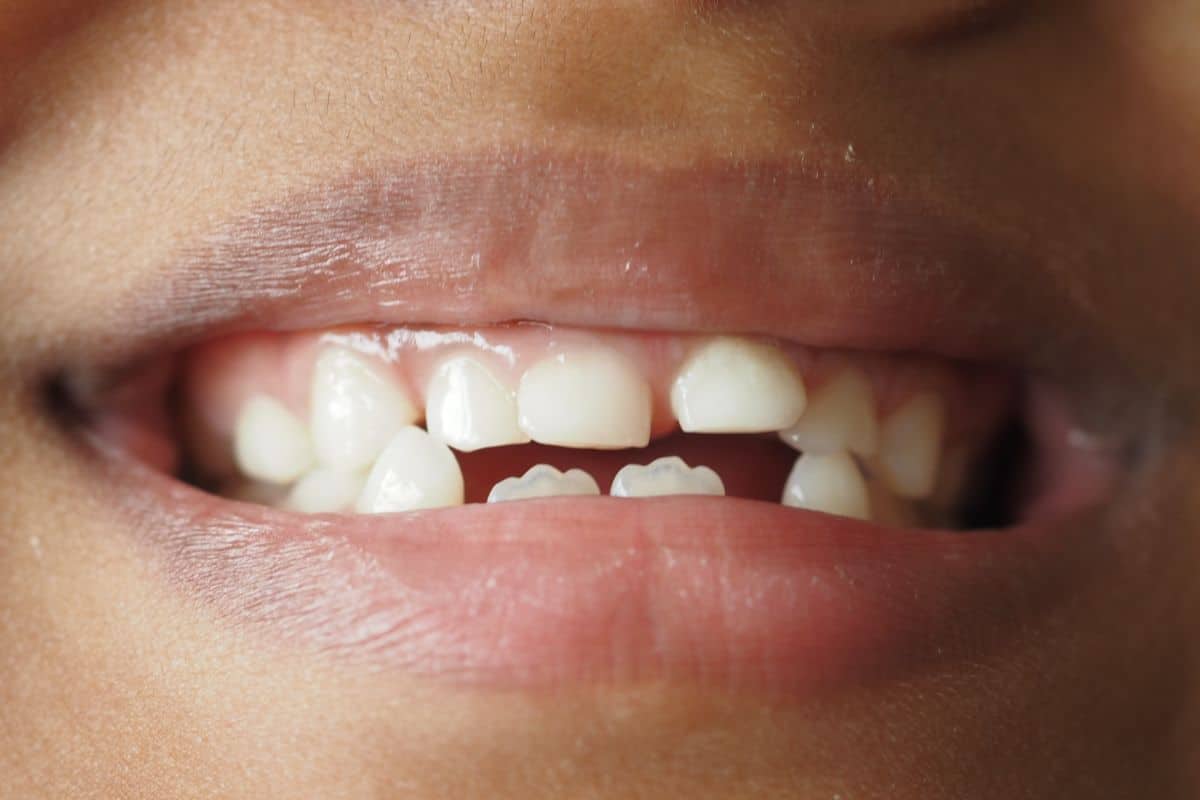
Has your child’s dentist ever mentioned the words “early childhood caries,” and you found yourself nodding along while secretly wondering what that even means? You’re not alone. A lot of parents hear the term for the first time at a dental visit and leave with more questions than answers.
Here’s the simple truth: early childhood caries, also called baby bottle tooth decay or ECC, is one of the most common childhood dental problems in the United States. And the good news is, it’s almost entirely preventable when you know what to look for and what to do about it.
Good pediatric dental care starts much earlier than most people realize. In fact, protecting your child’s teeth doesn’t begin when they start school; it begins the moment that very first tooth pops through the gum. In this post, we’re going to walk you through what causes early childhood caries, how to spot it early, and the straightforward steps you can take at home to keep those little teeth healthy.
What Exactly Are Early Childhood Caries?
Early childhood caries is the clinical name for tooth decay that affects children under six years old. It’s essentially a cavity, but in a baby tooth. And while some parents assume baby teeth don’t really matter since they’ll fall out anyway, that thinking can lead to bigger problems down the road.
Baby teeth are more than just placeholders. They help your child chew food properly, learn to talk clearly, and hold the space in the jaw so the permanent teeth come in straight. When a baby tooth is lost too soon because of decay, it can affect all of those things.
ECC tends to start on the upper front teeth, the ones you see most when a child smiles, but it can spread quickly to other teeth if it isn’t addressed. The decay often starts as small white spots on the teeth, which is why catching it early really matters.
What Causes It?
Understanding the cause of early childhood caries comes down to one basic idea: sugar + bacteria + time = tooth decay.
Here’s how it works in practice:
- Bacteria in the mouth: The mouth naturally contains bacteria. Some of these bacteria feed on sugar and produce acid as a byproduct. That acid is what attacks the outer layer of the tooth (the enamel) and causes decay. In young children, the enamel is thinner and more vulnerable than in adults, which means it breaks down faster.
- Sugary liquids sitting on the teeth: This is the most common reason young children develop cavities. When a baby falls asleep with a bottle containing formula, milk, or juice, the liquid pools around the teeth for a long period of time. The bacteria in the mouth get a constant supply of sugar to feed on, producing acid throughout the night.
- Even breastfeeding, which often occurs at night after the first tooth has erupted, can contribute to ECC if proper cleaning isn’t done afterward.
- Sippy cups used throughout the day: Sippy cups are convenient, but using them as a constant companion with juice, flavored milk, or sweetened drinks means the teeth are bathed in sugar for hours at a time. The same principle applies: sugar + bacteria + time = decay.
- Passing bacteria from parent to child: Here’s something many parents don’t expect: cavity-causing bacteria can be passed from a parent or caregiver to a baby through shared utensils, cleaning a pacifier in your own mouth, or kissing on the lips. If a parent has active decay or poor oral hygiene, they may unknowingly transfer those bacteria to their child.
- Sugary foods and snacks: Crackers, fruit pouches, gummy snacks, and even dried fruit may seem harmless, but they stick to teeth and give bacteria plenty to work with. Frequent snacking without brushing creates the ideal conditions for cavities to form.
Signs to Watch For
ECC doesn’t usually announce itself loudly at first. Here’s what to keep an eye on:
- White spots or lines along the gumline- This is often the earliest sign. These chalky white areas indicate that the enamel is starting to break down.
- Brown or black spots on the teeth -By the time spots have turned brown, the decay has progressed.
- Visible holes or pits in the teeth
- Your child is complaining about tooth pain or sensitivity, especially with sweet, hot, or cold foods
- Swollen gums near a specific tooth
If you notice any of these, it’s a good idea to schedule a dental visit sooner rather than later.
How to Prevent Early Childhood Caries?
Prevention is really where parents make the biggest difference. The habits you build now set your child up for a lifetime of healthier teeth. Here’s what actually works:
- Start cleaning before the first tooth: You don’t have to wait for a tooth to appear before you start. After each feeding, gently wipe your baby’s gums with a clean, damp cloth. This removes milk residue and bacteria, and it gets your baby used to the feeling of having their mouth cleaned.
- Brush as soon as the first tooth arrives: Once that first tooth breaks through, start brushing. Use a soft-bristled infant toothbrush and a tiny smear of fluoride toothpaste about the size of a grain of rice. Twice a day is the goal: once in the morning and once before bed.
- Never put your baby to bed with a bottle: This one is worth repeating. Putting a baby to bed with a bottle of milk, formula, or juice is one of the leading causes of ECC. If your child needs a bottle to fall asleep, make it a habit to fill it with water instead. It’s a tough habit to break, but it protects their teeth every single night.
- Transition from bottle to cup by age one: The American Academy of Pediatric Dentistry recommends weaning children off the bottle around their first birthday. Sippy cups are fine for a while, but be mindful of what goes in them. Stick to water between meals and save milk for mealtimes.
- Limit juice and sugary drinks: Children under one year old don’t need juice at all. After age one, juice can be offered occasionally and in small amounts, no more than four ounces a day, and always at mealtimes rather than sipped throughout the day.
- Watch the snacking: Frequent snacking means frequent acid attacks on the teeth. Try to stick to structured meal and snack times so there are clear periods when the teeth can recover. Healthy choices like cheese, vegetables, and plain yogurt are much better options than crackers, gummies, or sweetened snacks.
- Don’t share utensils or clean pacifiers in your mouth: Keep your own oral hygiene in check and avoid habits that could pass bacteria to your baby. Use clean water to rinse a dropped pacifier, not your own mouth.
- Make sure your child gets enough fluoride: Fluoride strengthens tooth enamel and makes teeth more resistant to acid. Most tap water contains fluoride, so if your family primarily drinks filtered or bottled water, ask your dentist about fluoride supplements or treatments.
When Should Your Child First See a Dentist?
A lot of parents assume their child doesn’t need to see a dentist until they’re three or four years old. But the recommended age for a first dental visit is actually by the child’s first birthday or within six months of the first tooth coming in, whichever comes first.
That first visit isn’t just about checking for cavities. It’s a chance to ask questions, get guidance on brushing techniques, talk about diet, and make sure your child’s development is on track. It also helps your child get comfortable with the dental setting from a young age, which makes future visits much easier.
We’re Here to Help- Contact Us Today
We know it can feel like a lot to keep track of the right brushing technique, the right toothpaste amount, when to stop the bottle, and when to schedule that first appointment. That’s exactly why having a dental team in your corner makes such a difference.
Have questions about your child’s dental health? Contact Rowlett Dental Kids today. We’re here to answer your questions and make sure your little one gets the right start.
A Few Things Parents Often Ask
Can ECC affect speech and eating?
Yes, it can. Badly decayed baby teeth can make chewing uncomfortable, which may cause a child to avoid certain foods. It can also affect how clearly a child speaks, especially sounds that rely on the front teeth. Healthy baby teeth support healthy development in more ways than one.
Is fluoride toothpaste safe for babies?
Yes, when used in the right amount. For children under three, a rice-sized smear of fluoride toothpaste is safe and effective. For children three to six, increase to a pea-sized amount. The key is using the appropriate amount and making sure your child spits rather than swallows.
What if my child is afraid of the dentist?
That’s very common and completely understandable. Starting visits early by age one is actually one of the best ways to prevent dental fear from developing. When a dental office is a familiar, friendly place, children are much more relaxed. A pediatric dentist who specializes in working with young children can make the experience comfortable and even fun.
Keeping Your Child’s Smile Healthy: Visit Rowlett Dental Kids!
Early childhood caries may be common, but it doesn’t have to be inevitable. With the right habits at home and regular visits to a trusted dental team, your child’s smile can stay healthy, strong, and cavity-free through every stage of growth.
At our dental practice, we are passionate about giving children the best possible start to their oral health journey. Whether your little one is getting their first tooth or heading into their preschool years, our team is here to support you every step of the way. If you’re searching for a trusted pediatric dentist in Rowlett who truly understands children’s dental needs, we’d love to meet your family.
Request an appointment today because every healthy smile starts with one good visit.
Frequently Asked Questions
Q1: My baby is only a few months old and has no teeth yet. Should I still be doing anything for their oral health?
A: Yes! Gently wipe your baby’s gums with a clean, damp cloth after each feeding. It removes milk residue, reduces bacterial buildup, and helps your baby get comfortable with mouth care before teeth even arrive.
Q2: My toddler hates having their teeth brushed. How do I make it easier?
A: Let your child pick their toothbrush, make it a two-minute game, and brush your own teeth at the same time. Keeping the routine consistent morning and bedtime helps it feel like a normal part of the day rather than something to fight.
Q3: My child drinks a lot of milk throughout the day. Is that a problem for their teeth?
A: It can be. Milk contains natural sugars, so sipping it throughout the day leaves residue on the teeth. Offer milk at mealtimes, stick to water in between, and always brush before bedtime if your child has had milk close to sleep time.
Q4: I’ve heard that some children need dental sealants. What are those, and does my child need them?
A: Sealants are thin protective coatings painted onto the chewing surfaces of back teeth to keep food and bacteria out of the grooves. They’re usually recommended when permanent molars come in, around age six. Your dentist can let you know if your child is a good candidate.
Q5: Can early childhood caries spread from one tooth to another?
A: Yes. The bacteria that cause decay can move to neighboring teeth, especially when left untreated. That’s why catching and treating cavities early when they’re small makes a real difference for your child’s overall oral health.