



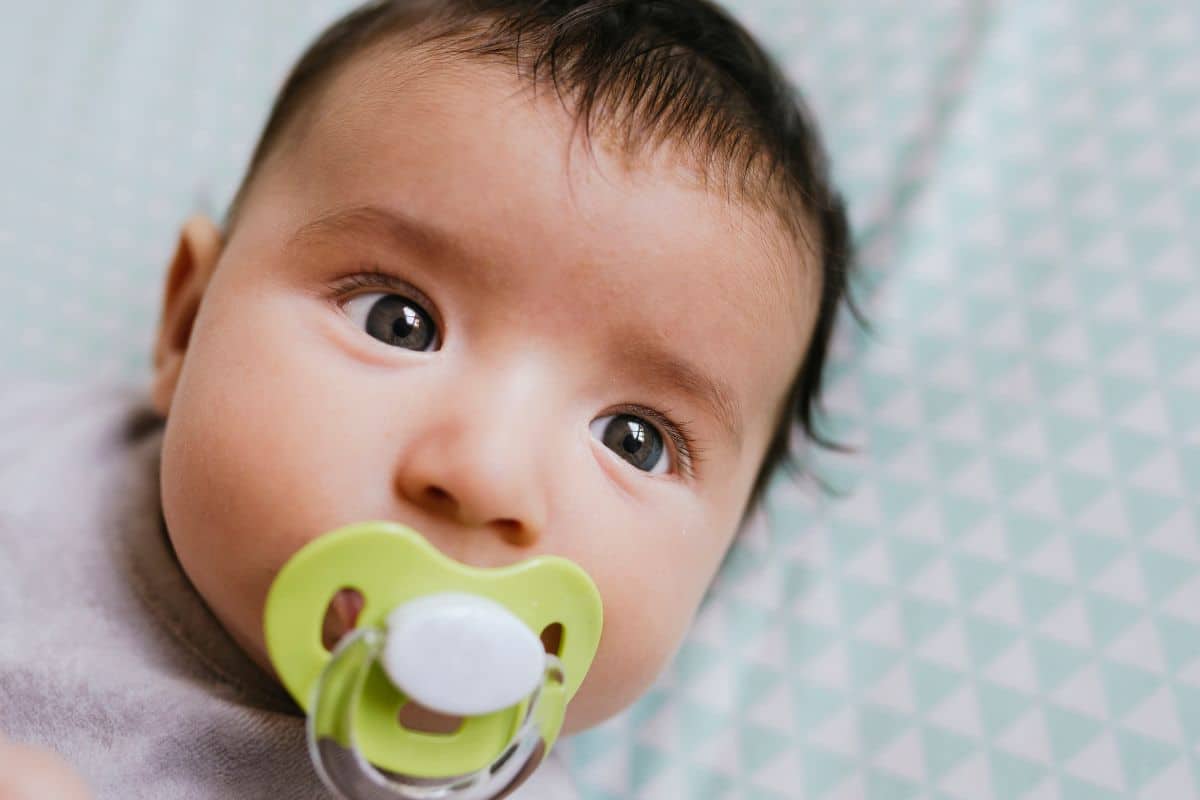
Pacifiers can feel like a lifesaver for parents. They soothe crying, help babies sleep, and provide comfort during stressful moments. But while they serve an important purpose in early childhood, many parents don’t realize that long-term pacifier use can quietly influence how a child’s teeth and jaw develop.
Understanding how pacifiers affect oral health can help you make informed choices and protect your child’s growing smile. With the right approach—and timely pediatric dental treatment—you can balance comfort with healthy development.
Why Do Babies Love Pacifiers So Much?
Sucking is a natural reflex that begins even before birth. Babies use it not only for feeding but also for comfort and security. Pacifiers mimic this soothing action, which is why they can calm a fussy baby almost instantly.
In the early months, pacifier use is generally harmless. In fact, it may even help reduce the risk of sudden infant sleep issues when used during naps or bedtime. The concern arises when the habit continues for too long or too frequently.
How Pacifiers Can Affect Dental Development
As your child grows, their teeth and jaw begin forming in ways that shape their future smile. Prolonged pacifier use—especially beyond age 2 or 3—can interfere with this natural process.
Here are some of the most common dental concerns linked to extended pacifier use:
1. Misaligned Teeth
Continuous sucking pressure can push teeth out of their natural position. This may lead to crooked or crowded teeth as permanent teeth begin to come in.
2. Bite Problems
Pacifiers can affect how the upper and lower teeth fit together. Children may develop:
- Open bite (front teeth don’t touch when the mouth is closed)
- Overbite (upper teeth stick out too far)
These issues can later require orthodontic correction.
3. Changes in Jaw Growth
The developing jaw is flexible and easily influenced by habits. Long-term pacifier use can alter jaw alignment, affecting both function and appearance.
4. Speech Development Concerns
In some cases, prolonged use may interfere with tongue movement and speech patterns, making it harder for children to pronounce certain sounds clearly.
When Does Pacifier Use Become a Problem?
Pacifier use is usually safe during infancy, but timing matters. Most dental professionals recommend:
- Limiting use after age 1
- Starting to wean off by age 2
- Stopping completely by age 3
The earlier your child gives up the pacifier, the more likely their teeth will naturally correct themselves without intervention.
Tips to Help Your Child Transition Away from Pacifiers
Breaking the habit can feel challenging, but a gradual and supportive approach works best.
Make Small Changes
Start by limiting pacifier use to naps or bedtime only.
Offer Comfort Alternatives
Replace the pacifier with a favorite toy, blanket, or extra cuddle time.
Use Positive Reinforcement
Celebrate small milestones when your child goes without the pacifier.
Stay Consistent
Consistency is key. Mixed signals can make the transition harder for your child.
When Should You Visit a Pediatric Dentist?
Regular dental visits play a key role in monitoring your child’s oral development. A dentist can identify early signs of bite issues or alignment concerns and guide you on the best next steps.
If your child has used a pacifier beyond the recommended age, it’s a good idea to have their teeth evaluated. Early guidance can often prevent the need for more complex treatments later.
Contact Us to Learn More About Your Child’s Oral Health
If you have concerns about pacifier use or your child’s dental development, professional guidance can make all the difference—contact us today to get the support you need. A caring and experienced pediatric dentist in Rowlett can assess your child’s smile and recommend the right approach for healthy growth.
Supporting Healthy Smiles as Your Child Grows – Visit Rowlett Dental Kids
Pacifiers can be helpful in the early stages of life, but understanding when and how to phase them out is essential for your child’s long-term oral health. With the right balance of comfort and care, you can help your little one develop a strong, healthy smile.
At Rowlett Dental Kids, we focus on gentle, personalized care that supports every stage of your child’s dental journey. Whether you have questions about habits like pacifier use or need guidance on maintaining oral health, our team is here to help. If you’re looking for a trusted pediatric dentist in Rowlett, TX who understands your child’s unique needs, we’re here for you. Visit our dental office today to support your child’s healthy, confident smile.