



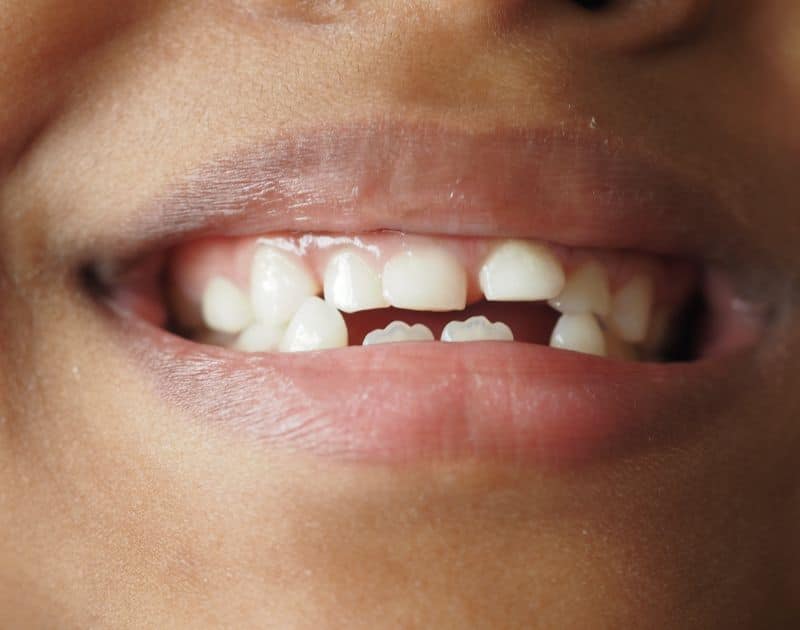
If your child’s teeth don’t seem to line up the way they should, you’re not alone. Many parents notice bite issues early on and wonder whether an orthodontist can help correct them before they grow into bigger problems. Malocclusion—often referred to as a “bad bite”—is common in children, and the good news is that most forms can be treated effectively with the right orthodontic care.
What Exactly Is Malocclusion?
Malocclusion means that the upper and lower teeth don’t fit together properly. It’s a broad term that includes everyday bite issues like:
- Overbite (upper teeth extend too far forward)
- Underbite (lower teeth sit in front of the upper teeth)
- Crossbite (upper and lower teeth don’t meet correctly)
- Open bite (space between teeth even when the mouth is closed)
These bite patterns may seem harmless at first, but over time, they can affect chewing, speech, and jaw development. Identifying them early makes treatment easier and more comfortable for your child.
How an Orthodontist Diagnoses Malocclusion?
When you bring your child to an orthodontist for an evaluation, the process is simple, gentle, and very thorough. The orthodontist will:
- Examine how your child’s teeth fit together
- Look at the shape and position of the jaws.
- Take digital scans or X-rays to see how the teeth are developing.
- Identify the type and severity of malocclusion.
This whole picture helps the orthodontist determine the best way to guide your child’s growing smile.
Can an Orthodontist Really Correct My Child’s Malocclusion?
Yes—an orthodontist who treats childhood malocclusion is explicitly trained to guide the way teeth and jaws grow. Since kids’ bones are still developing, orthodontic treatment can gently reshape the bite, create needed space, and move teeth into healthier positions.
Whether your child has a simple misalignment or a more complex bite issue, an orthodontist can usually correct it with a personalized plan.
Treatment Options for Children
Orthodontic care isn’t one-size-fits-all. The treatment your child needs will depend on their age, jaw growth, and type of malocclusion. Common options include:
Early Interceptive Orthodontics
For younger children, early treatment can help guide jaw development and prevent worsening of bite issues.
Braces
Traditional braces remain one of the most effective ways to correct malocclusion. They give the orthodontist complete control over tooth movement.
Clear Aligners
Older children and teens may qualify for clear aligners, depending on their bite and level of responsibility.
Expanders and Space Maintainers
These appliances help widen the upper jaw or hold space for permanent teeth to grow correctly.
Each option supports your child’s long-term oral health by improving how their teeth function—not just how they look.
When Should You See an Orthodontist?
Most dental experts recommend scheduling an orthodontic screening around age 7. Even if treatment isn’t needed right away, this gives the orthodontist a chance to monitor jaw growth and spot early concerns.
You should consider an evaluation if your child:
- Has trouble chewing
- Breathes through their mouth often
- Has crowded or overlapping teeth
- Lost baby teeth too early or too late
- Complaints about jaw discomfort
- Shows signs of a misaligned bite when smiling or chewing
Early guidance can make future treatment shorter, simpler, and more effective.
Get Your Child’s Bite on Track – Visit Rowlett Dental Kids
A healthy bite helps your child speak, chew, and grow comfortably. If you’re concerned about malocclusion, the team at Rowlett Dental Kids can evaluate your child and guide you through the right treatment path. Request an appointment today to give your child the strong, healthy smile they deserve.