



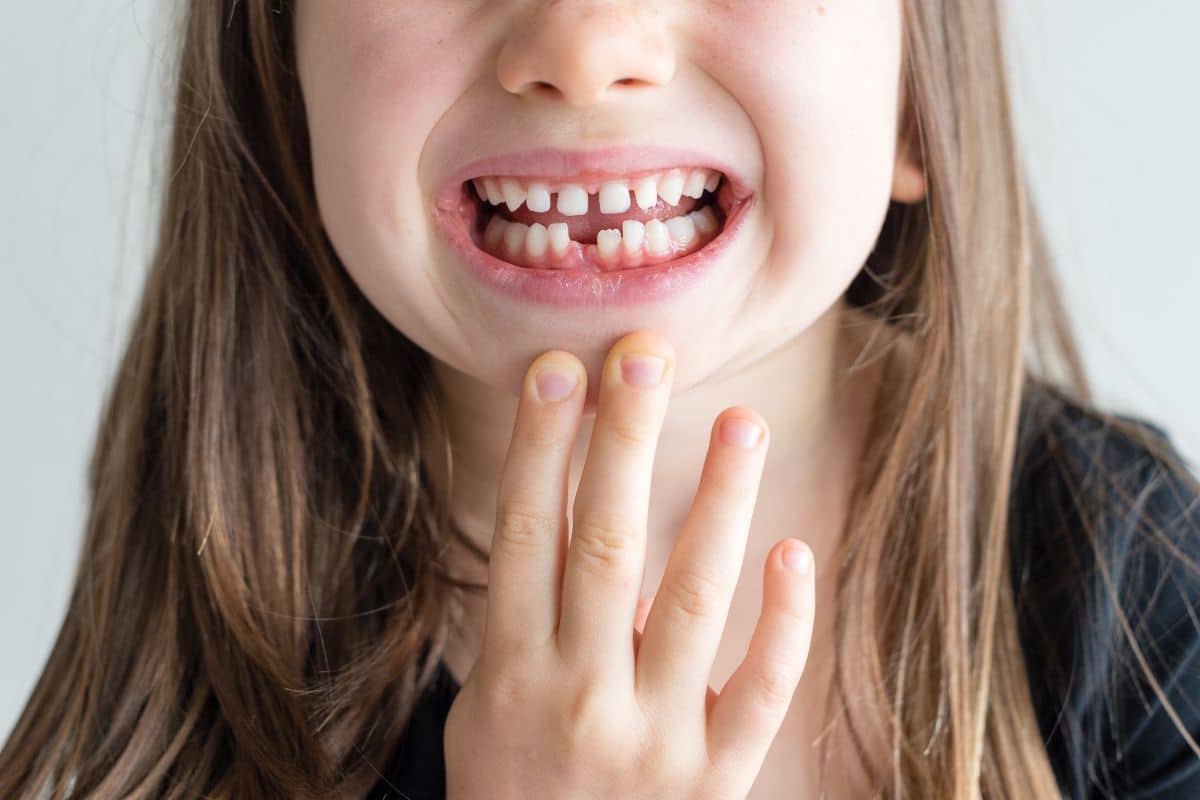
As parents, one of the most exciting milestones in a child’s development is when they begin to lose their baby teeth. This process marks the beginning of their transition to a more mature smile and is an important phase in their overall dental health. If you’re wondering when this happens and what to expect along the way, read on for some helpful information.
The Timeline of Losing Baby Teeth
On average, children begin to lose their baby teeth around the age of 6. However, this timeline can vary from child to child. Some children may lose their first tooth as early as 4 years old, while others may not lose their first tooth until they are closer to 7 years old.
The process typically begins with the lower central incisors—the two bottom front teeth. These teeth are often the first to become loose and fall out. After the lower central incisors, the upper central incisors are usually the next to fall out. Following the central incisors, children lose their lateral incisors, first molars, canines, and then their second molars. By the time they reach the age of 12, most children will have lost all their baby teeth and will have a full set of adult teeth.
Why Does It Happen?
Baby teeth fall out to make room for permanent adult teeth. Underneath the baby teeth, permanent teeth are already forming and slowly push through the gums as the roots of the baby teeth dissolve. This natural process allows for the eruption of permanent teeth, which are larger and more durable than their baby counterparts.
For many children, this can be an exciting process. The arrival of a loose tooth often brings a sense of curiosity, and children are eager to see which tooth will be the next to fall out. It’s a fun tradition for families to celebrate the “Tooth Fairy” or other cultural practices, helping make the process a positive experience.
Signs That a Tooth is Ready to Come Out
It can be difficult for parents to know when exactly to expect their child’s tooth to come out, but there are a few telltale signs:
- Loose Teeth: As teeth begin to loosen, children may notice that their teeth feel wobbly when they touch them with their tongue or fingers.
- Swelling: You may notice some mild swelling or discomfort around the gums of the loose tooth.
- Pain: Some children may experience mild pain or tenderness as the permanent tooth pushes up underneath the baby tooth.
It’s important to remember that while losing teeth is a normal part of growth, it can sometimes be uncomfortable. If your child seems to be in pain, you can offer over-the-counter pain relief or consult with your pediatric dentist for advice.
When Should You See Rowlett Dental Kids?
While losing baby teeth is a natural process, keeping an eye on your child’s oral health is still essential. Rowlett Dental Kids is here to guide you through any concerns you may have as your child goes through this transition. If your child is losing teeth too early or late, or if a tooth is loose but not coming out, it’s a good idea to consult with a dentist to ensure everything is progressing normally.
Additionally, regular dental check-ups are important during this stage. Your pediatric dentist can monitor your child’s overall dental health, check for any potential issues with incoming permanent teeth, and offer tips on caring for their developing smile.
If you have any concerns about your child’s dental development or need guidance during this exciting time, don’t hesitate to reach out to us at Rowlett Dental Kids. We’re here to help your child through every stage of their dental health journey.
Request an appointment today to ensure your child’s smile stays bright and healthy as they grow!